
When you hear Solomon Islands, a sovereign nation in the South Pacific made up of nearly 1,000 islands with a population of just under 700,000. Also known as Solomons, it's a country that’s quietly reshaping power dynamics across the Pacific through its foreign policy choices. Despite its small size, the Solomon Islands has become a focal point in global geopolitics—especially after switching diplomatic recognition from Taiwan to China in 2019. That decision didn’t just change a flag on a map; it triggered a chain reaction across the region, pulling in the U.S., Australia, and other Pacific neighbors who now watch every move closely.
The Solomon Islands government, a parliamentary democracy led by a Prime Minister elected by the National Parliament has faced internal pressure too. Protests in Honiara over economic inequality, fuel prices, and perceived foreign influence have led to riots and calls for reform. Meanwhile, the China-Pacific relations, a growing strategic partnership where Beijing offers infrastructure loans, security agreements, and development aid have raised alarms in Western capitals. Australia and the U.S. responded with increased aid packages and security pacts, turning the Solomon Islands into a testing ground for influence in a region once considered a quiet backyard.
What you won’t find in headlines are the daily realities: fishermen navigating changing ocean currents, students using Chinese-built schools, and local leaders balancing tradition with new global pressures. The Solomon Islands isn’t just a dot on the map—it’s a living case study in sovereignty, development, and survival in a world where big powers compete for every inch of influence.
Below, you’ll find the latest updates from the Solomon Islands and how its actions ripple across the Pacific—from diplomatic shifts and security deals to local stories that rarely make international news but matter just as much.
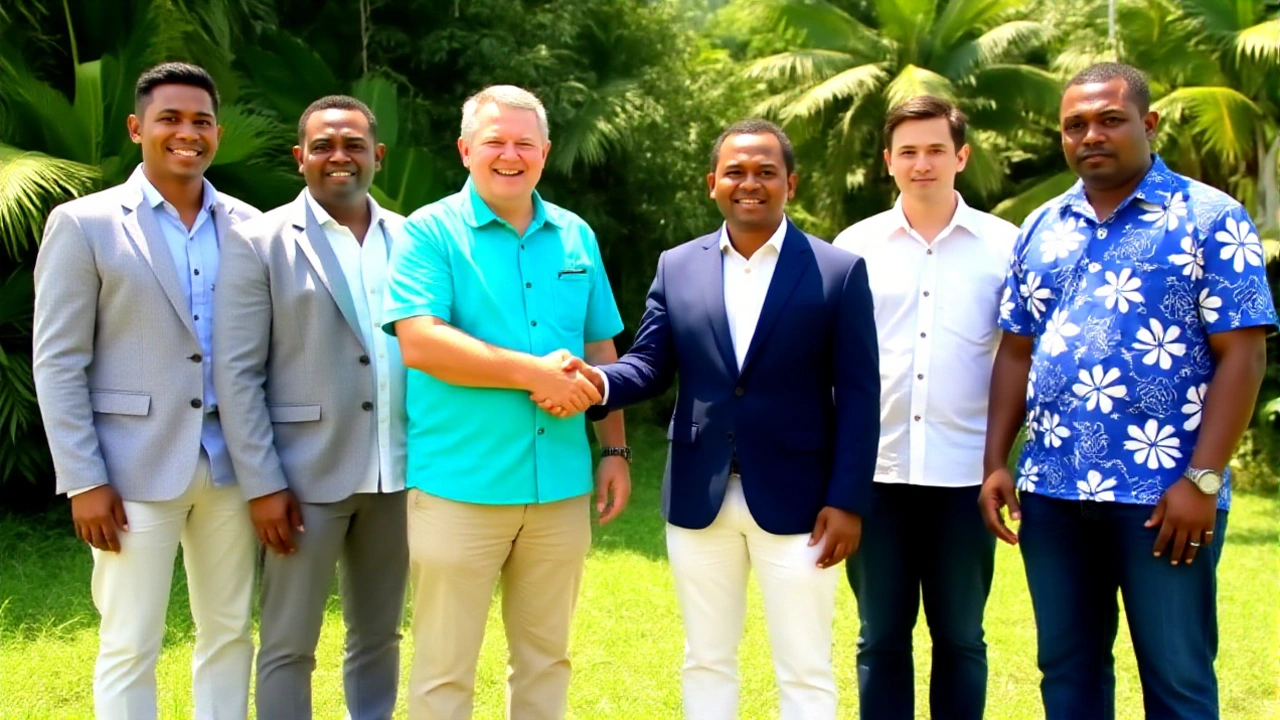
UK announces major climate projects in Solomon Islands ahead of COP30, including sustainable forestry, renewable energy reform, and mining transparency, targeting the country’s diesel-dependent grid and declining forests.
Read more© 2026. All rights reserved.