
When you think about mobile internet affordability, how much it costs to stay connected with data plans in South Africa. Also known as data cost accessibility, it’s not just about price—it’s about whether your phone can do more than just call and text. For too many South Africans, the dream of streaming, working online, or even checking school updates is blocked by a simple number: the cost per gigabyte. Even though the country has the infrastructure, the price tags don’t match the reality of average incomes.
It’s not just about mobile networks, the companies like MTN, Vodacom, and Telkom that sell data bundles. It’s about what happens when a family has to choose between data for a child’s homework or a week’s worth of airtime. Or when a small business owner can’t afford to run a Facebook page because one gig costs more than a meal. The digital inclusion, the effort to make internet access available and usable for everyone, regardless of income or location gap isn’t growing—it’s exploding. Rural areas, townships, and even low-income suburbs in cities like Johannesburg and Cape Town are seeing slower speeds and higher prices than wealthier neighborhoods. This isn’t a tech problem. It’s an economic one.
And it’s not getting better fast enough. While global data prices have dropped, South Africa still ranks among the most expensive in Africa for mobile internet. The data costs, the amount charged by providers for mobile data usage are set by companies with little pressure to compete on price. Regulators talk about fair access, but enforcement is weak. Meanwhile, students rely on free Wi-Fi at libraries, and gig workers burn through data bundles in hours just to keep getting jobs on apps like Uber or Mr D.
What you’ll find in this collection isn’t just news about price hikes or new data plans. It’s the real stories behind the numbers: how families stretch one bundle across three phones, how learners miss deadlines because their connection drops mid-exam, and how entrepreneurs are finding workarounds because the system isn’t built for them. These aren’t edge cases—they’re everyday realities. And if we don’t fix this, the digital divide won’t just separate people from the internet. It’ll separate them from opportunity.
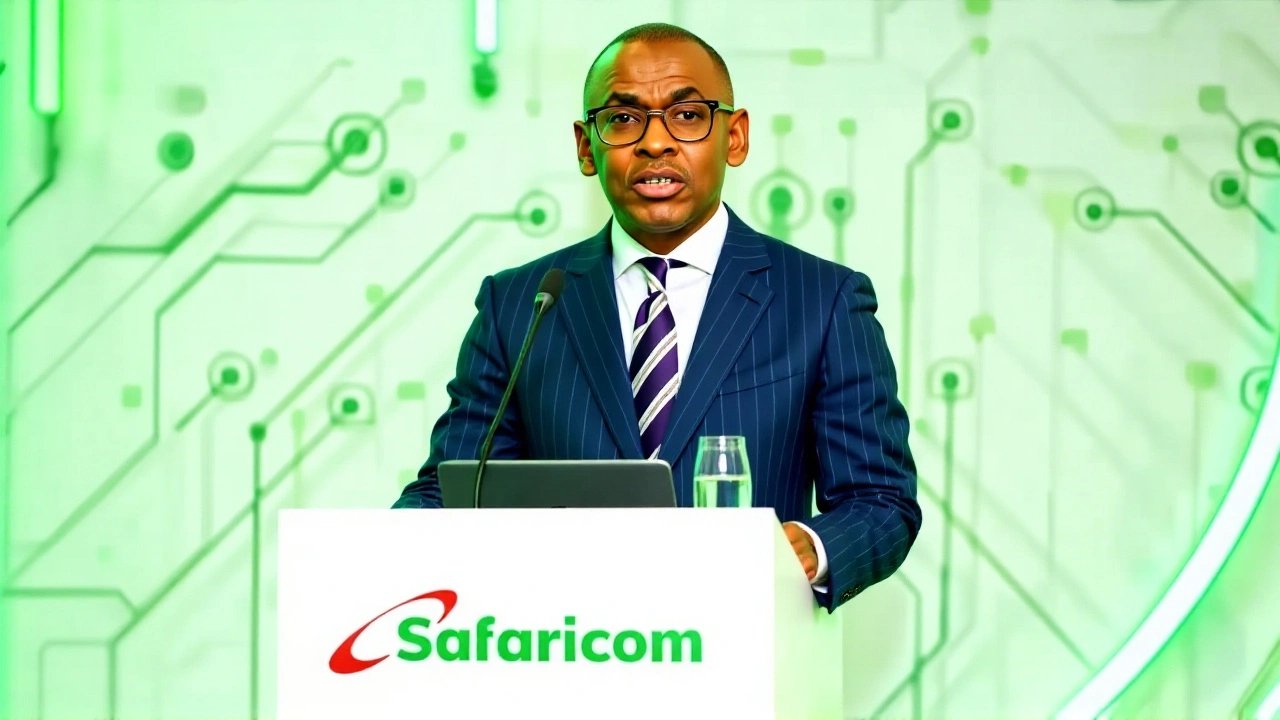
Safaricom PLC slashed data prices by up to 35% effective Dec 1, 2025, under pressure from Kenya's Communications Authority and Airtel Kenya, saving users KES 1,250/month. The move impacts 44.2 million customers and triggers a new era of telecom competition.
Read more© 2026. All rights reserved.