
When we talk about climate action, concrete steps taken by governments, businesses, and communities to reduce environmental harm and adapt to changing weather patterns. Also known as climate response, it’s not just about planting trees or turning off lights—it’s about rewriting the rules of energy, transport, and industry to keep the planet livable. In South Africa, this isn’t a distant idea. It’s happening in the power lines, the drought-stricken farms, and the factories fighting to cut pollution.
Climate change, the long-term shift in global temperatures and weather patterns caused mostly by human activity like burning fossil fuels. Also known as global warming, it’s already hitting hard here—droughts in the Western Cape, floods in KwaZulu-Natal, and rising electricity costs as coal plants struggle to keep up. That’s why renewable energy, power generated from natural sources like sun, wind, and water that don’t run out or pollute the air. Also known as clean energy, it’s no longer a luxury—it’s becoming the only affordable option. More towns are installing solar panels. Mines are switching to wind. Even small businesses are buying solar generators because the grid is too unreliable. This isn’t just green wishful thinking—it’s survival.
Carbon emissions, the release of greenhouse gases, especially carbon dioxide, into the atmosphere from burning fuel, deforestation, and industrial processes. Also known as CO2 output, are the main driver behind the heat we’re feeling. South Africa still relies on coal for over 80% of its power, but pressure is mounting—from global investors pulling out, to young people demanding change, to cities like Cape Town setting their own emissions targets. You can’t ignore the link between a power outage in Johannesburg and a carbon tax bill in Pretoria.
And it’s not just about the environment. Climate action is about jobs, health, and fairness. When air pollution drops because factories clean up, asthma rates fall. When farmers get drought-resistant seeds, food stays affordable. When communities get access to solar power, kids can study after dark. This isn’t some abstract policy debate. It’s about who gets to breathe clean air, who gets to turn on the lights, and who gets left behind.
What you’ll find below isn’t a list of headlines—it’s a record of real change. From Kenya’s data price cuts tied to energy access, to Namibia’s billion-dollar health overhaul that includes climate-resilient clinics, to Kenya’s weather warnings that force farmers to adapt—these stories all connect. Climate action isn’t one big protest. It’s thousands of small decisions, made every day, in cities and villages across Africa, changing how we live, work, and survive.
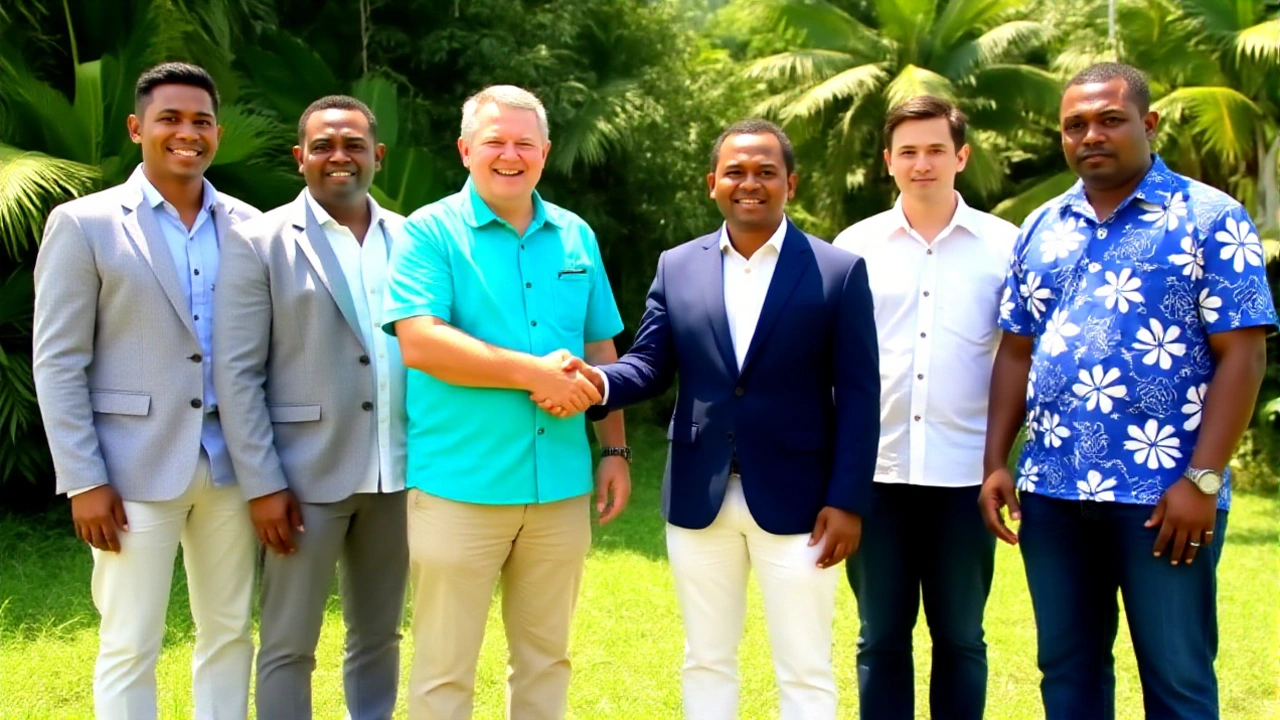
UK announces major climate projects in Solomon Islands ahead of COP30, including sustainable forestry, renewable energy reform, and mining transparency, targeting the country’s diesel-dependent grid and declining forests.
Read more© 2026. All rights reserved.