
Peter Obi Sparks Row Comparing Sani Abacha to NADECO Activists
 Apr, 5 2026
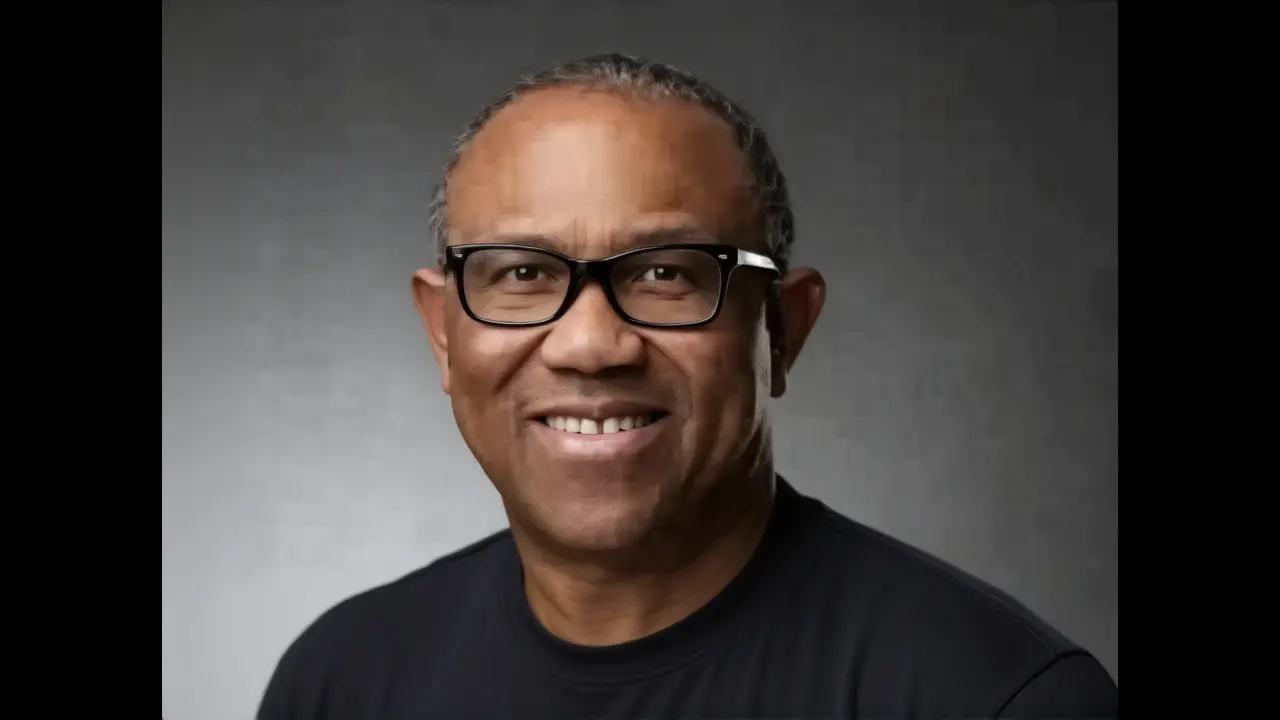
Former presidential candidate Peter Obi has ignited a firestorm across the Nigerian political landscape after claiming that the late military dictator Sani Abacha was more "benevolent" and "democratic" than the activists who fought to end his rule. The statement, which surfaced recently in reports from Vanguard Nigeria and The Eagle Online, challenges the long-standing historical narrative of Nigeria's struggle for civil liberties. By pitting a military head of state against pro-democracy advocates, Obi has touched a raw nerve in a country still healing from the scars of military juntas.
Here's the thing: comparing a general who ruled by decree to activists fighting for the ballot box isn't just a bold claim—it's a complete inversion of how Nigeria's 1990s era is taught. For those who lived through it, the period between 1993 and 1998 was a time of fear, clandestine meetings, and systemic repression. To hear a modern political leader suggest that the oppressor was more democratic than the oppressed is, frankly, a bit of a shock to the system.
A Clash of Historical Narratives
To understand why this is such a big deal, we have to look at who these players were. Sani Abacha took power in November 1993, following a chaotic period after the annulment of the June 12 election. His tenure was defined by a heavy hand. We're talking about an era where dissent wasn't just discouraged; it was criminalized. The regime was notorious for its crackdown on intellectuals, journalists, and students.
On the other side of the coin was NADECO (the National Democratic Coalition). This wasn't just a social club; it was a high-stakes resistance movement. NADECO activists worked in the shadows—and often in exile—to restore democracy and ensure that the will of the voters from the 1993 election was respected. They faced arrests, torture, and the constant threat of disappearance. Now, Peter Obi is suggesting that this dynamic was somehow flipped.
Interestingly, the specific context of where Obi made these remarks remains slightly murky. While the reports are clear about the sentiment, the "why" is still emerging. Was he critiquing the current behavior of some former activists? Or is he attempting a radical reappraisal of military efficiency versus civilian instability? The details are still unclear, but the impact has been immediate.
The Weight of the Abacha Legacy
Looking back, the Abacha Regime Nigeria was a five-year stretch of intense centralization of power. During this time, Abacha didn't just govern; he controlled. The regime's reputation is inextricably linked to the execution of Ken Saro-Wiwa and the Ogoni Nine in 1995, an event that drew global condemnation and isolated Nigeria from the international community.
When Obi uses words like "benevolent," it clashes violently with the documented history of the era. However, some supporters of the late general often point to the economic stability or infrastructure projects of the time as evidence of a "strong hand" that worked. But wait, there's a difference between administrative efficiency and democracy. Democracy is about process, participation, and human rights—things that were largely absent during the military's hold on power.
Key Points of Contention
- The Definition of Democracy: Obi's comments raise the question of whether he is redefining "democracy" as "stability" rather than "representative governance."
- The Role of Activism: By targeting NADECO, he suggests that those who claimed the moral high ground of pro-democracy activism may not have been as pure in their intentions as history suggests.
- Political Timing: Coming from a man who often positions himself as a champion of "new politics" and transparency, this alignment with a military dictator's image is a surprising twist.
Industry Reaction and Political Fallout
The reaction from political analysts has been a mix of bewilderment and anger. Many argue that such statements trivialize the sacrifices made by those who fought for the current Fourth Republic. If the activists of NADECO were not truly "democratic," then the very foundation of Nigeria's current civilian rule is put into question.
Turns out, this isn't the first time Obi has sparked debate with an unconventional take, but this is perhaps the most provocative. Political strategists suggest that this could alienate the liberal wing of his support base—people who value human rights over "strongman" efficiency. On the flip side, it might appeal to a segment of the population that is disillusioned with civilian governance and nostalgic for the perceived order of military rule.
What Happens Next?
As the news cycles through The Eagle Online and other outlets, the pressure is mounting for a detailed explanation. Nigerians are waiting to see if Obi will double down on this claim or if he will clarify that his comments were aimed at specific individuals rather than the entire pro-democracy movement.
The broader implication is a potential shift in how Nigeria's political elite discuss the military era. If a leading opposition figure starts validating military dictators over civil society activists, it could signal a dangerous trend toward prioritizing "strength" over "rights." For now, the discourse remains heated, and the historical record is being contested in the most public way possible.
Frequently Asked Questions
What exactly did Peter Obi say about Sani Abacha?
Peter Obi claimed that the late General Sani Abacha was more benevolent and more democratic than the NADECO activists and other individuals who identified as democracy advocates during the military era. This suggests he views Abacha's leadership more favorably than the opposition that fought against it.
Who were the NADECO activists?
The National Democratic Coalition (NADECO) was a group of pro-democracy activists, politicians, and civil society members who opposed the military rule of General Sani Abacha. They fought for the restoration of the June 12, 1993, election results and the establishment of a civilian government in Nigeria.
Why is this comparison considered controversial?
It is controversial because General Sani Abacha's regime (1993-1998) is widely documented as one of the most repressive periods in Nigeria's history, characterized by human rights abuses, the imprisonment of dissidents, and the suspension of democratic freedoms. Comparing such a regime to activists fighting for those very freedoms is seen by many as an affront to historical truth.
How has the media reported this story?
Major Nigerian outlets, including Vanguard Nigeria and The Eagle Online, have reported the comments as a provocative statement. The reporting emphasizes the clash between Obi's assertion and the established historical narrative of Abacha's tenure as a military dictator.
Aaron X
April 7, 2026 AT 11:54The conceptual framework here is a classic example of the tension between teleological outcomes and deontological ethics. By prioritizing administrative stability as a proxy for democratic utility, the discourse shifts from a rights-based paradigm to one of utilitarian efficiency. It is an epistemological rupture to suggest that a military autocracy embodies benevolence when the very ontological basis of that regime was the erasure of civic agency. This isn't just a political pivot; it's a semiotic reconfiguration of what we define as "democratic" in a post-colonial state context.
Antony Bachtiar
April 8, 2026 AT 20:11who cares about the activists anyway?? most of those guys just wanted power for themselvs and didnt actually give a damn about the peaple. probly just a case of historical revsionism that actually makes sense for once 🙄
nikolai kingsley
April 9, 2026 AT 08:00this is absolutey disgustng. how can anyon defend a dictator who killed people just because things were more "orderly" the moral bankruptsy here is shockig
Priyank Prakash
April 10, 2026 AT 06:29OMG the DRAMA! 😱 I cannot believe we are actually talking about this right now! Like, the audacity to even suggest Abacha was a sweetheart is just wild! Total chaos in the political scene right now and I am here for every single second of it! 🍿✨
Gary Clement
April 12, 2026 AT 04:19makes sense if you look at the infra projects from that era but comparing him to nadeco is a stretch. there is a middle ground where you admit the stability was better without calling a dictator democratic
Shelley Brinkley
April 12, 2026 AT 12:43lol imagine actually believin in nadecos auras. they were just posh ppl playing revolushun from their fancy houses. obi is just spittin facts and yall are too blind to see it lmao
Angie Khupe
April 13, 2026 AT 16:34Maybe we can all just try to understand where he is coming from without getting too angry? 🌸 There might be some context we are missing that makes this less shocking if we just listen 😊
Josh Raine
April 15, 2026 AT 09:48This is a total slap in the face to every person who suffered under that regime! 😡 How can we justify this by talking about "stability"? Is the price of a paved road the execution of dissenters? This is the kind of dangerous rhetoric that leads back to authoritarianism and it's absolutely sickening that a modern leader would even flirt with this idea! 😤 It's not just a "take," it's a betrayal of the struggle for human dignity!
Beth Elwood
April 16, 2026 AT 15:13Looking at the data on economic output during the 90s doesn't justify the human rights violations 📉. It's a common fallacy to confuse a strong economy with good governance 🚩. The institutional damage caused by the Abacha years took decades to even begin repairing 🏗️. You can't just ignore the blood on the floor because the buildings looked nice 🩸. Absolute nonsense 🤦♀️.
Dianna Knight
April 17, 2026 AT 10:28Let's try to pivot this conversation toward a growth mindset! 🌟 We can acknowledge the pain of the past while analyzing the operational efficiencies of different governance models. It's all about the synergy between leadership style and societal needs! Keep pushing through the friction, everyone! 🤗✨
Mason Interactive
April 19, 2026 AT 01:15Just a wild day in Nigerian politics man. This kind of stuff usually stays in history books but now it's front page news. Pretty crazy how one sentence can flip the whole vibe of a campaign.
Mel Alm
April 20, 2026 AT 08:34this is just too much for me today. the history books are pretty clear and trying to rewrite it like this is just wrong.
Alex Green international
April 20, 2026 AT 09:21It is truly regrettable that such statements were made as they undermine the solemn sacrifices of the pro democracy movement. The pursuit of stability should never supersede the fundamental right to exist without fear of state sanctioned violence. I believe we must maintain a reserved yet firm stance against the glorification of military juntas in any form regardless of the perceived administrative benefits