
Morocco Stuns Argentina to Capture First Under‑20 World Cup Title
 Oct, 20 2025
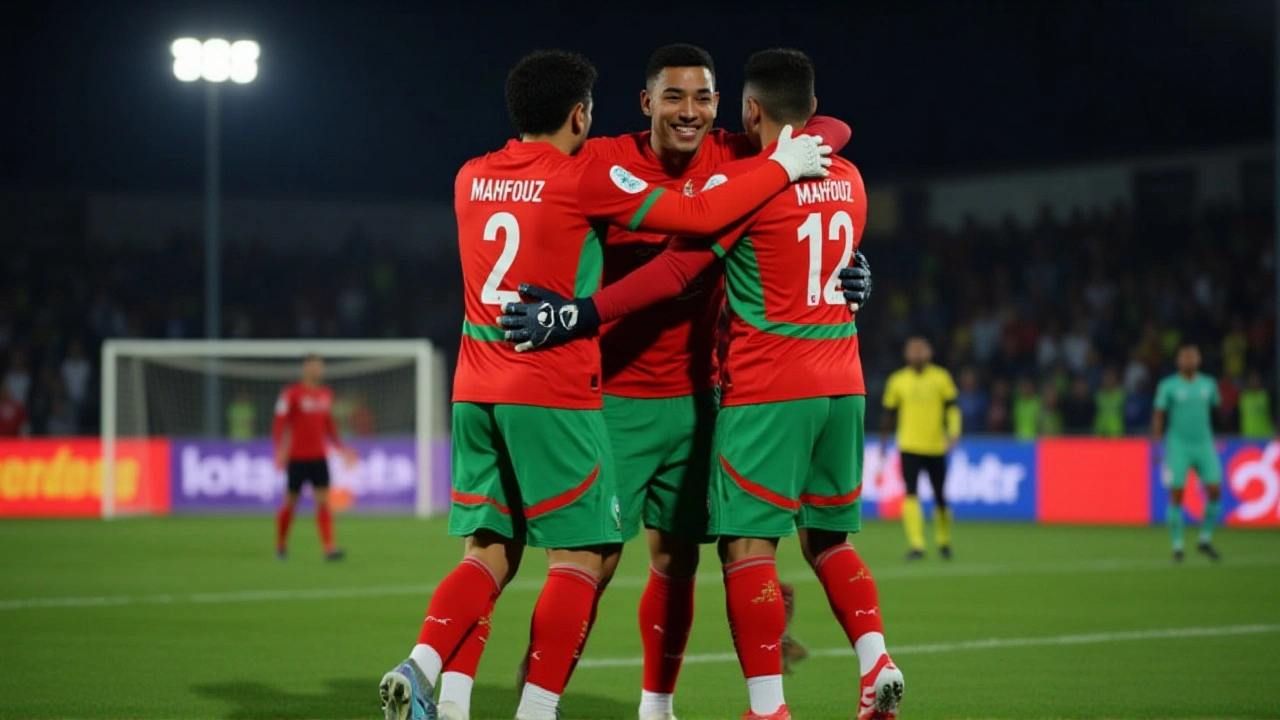
When Yassir Zabiri, a 19‑year‑old striker for FC Famalicão slotted the opening goal at the 28‑minute mark, nobody in Santiago expected the night to end any differently. The Moroccan Under‑20 side went on to net a second before halftime, turning the Under‑20 World Cup final into a 2‑0 victory over defending champions Argentina. The match unfolded on Sunday, 19 October 2025, at the iconic Estadio Nacional Julio Martínez Prádanos in Santiago, Chile, and it instantly rewrote Morocco’s football history.
How Morocco Reached the Final
The road to Santiago was anything but easy. After a tight 1‑0 win over South Korea on 12 October 2025, the Atlas Lions shrugged off a 2‑1 loss to the United States in the quarter‑finals three days later. The semi‑final against France was a roller‑coaster, with Morocco edging a 3‑2 thriller on 17 October 2025. Each victory was a testament to tactical discipline from coach Walid Regragui, whose emphasis on quick transitions paid dividends against technically superior opponents.
The Final Showdown
Argentina, led by head coach Lionel Scaloni, entered the match as heavy favourites. Their squad boasted several players already on senior team radars, but Moroccan composure proved decisive. Zabiri’s first strike came after a swift counter‑attack; he received a low pass just outside the box, turned, and fired a left‑footed shot past the Argentine goalkeeper at 28 minutes. Six minutes later, a well‑timed run saw him meet a cross with a crisp finish, sealing a 2‑0 lead that held until the final whistle.
The referee for the night, Abdechafi Jeeran of Morocco, kept a tight leash on the game, issuing only two yellow cards—one to each side. The crowd, a sea of teal and white, roared with each Moroccan attack, while Argentine fans clung to hope that a late surge might overturn the deficit. It never came.
Celebrations Back Home
Within hours of the final whistle, streets across Morocco erupted. In Rabat, Casablanca, Marrakesh and Tangier, citizens flooded public squares, honking car horns and chanting “Zammoora!”—the traditional rallying cry for victory. The Royal Moroccan Football Federation, headed by President Fouzi Lekjaa, had organized viewing events that drew over 500,000 spectators in 15 major cities. The government quickly announced a $1.2 million bonus for the squad, a gesture meant to reward the historic achievement and spark further investment in youth development.
Meanwhile, in Buenos Aires, the Argentine side felt the sting of disappointment. The Asociación del Fútbol Argentino (AFA), under President Claudio Tapia, held a modest gathering at Plaza de Mayo where roughly 200,000 fans watched the match on big screens. The mood was sober, but coach Scaloni stressed that the experience would fuel the senior team’s preparations for the 2026 World Cup.
What This Means for African Football
Morocco’s triumph marks only the third time an African nation has lifted the U‑20 trophy, joining Nigeria’s 1993 and 2005 wins and Ghana’s 2009 success. It also ends a 64‑year wait since the Royal Moroccan Football Federation joined FIFA in 1960. Analysts say the victory could ignite a new era of investment across the continent, with clubs scouting more aggressively for young talent in North Africa.
Economic data from the Chilean Ministry of Tourism indicates the tournament generated an estimated $15 million boost to Morocco’s sports‑tourism sector, thanks to visiting fans and media crews. Local businesses in Santiago reported record sales during match days, and the success has prompted FIFA to consider expanding African representation in future youth tournaments.
Looking Ahead to 2026 and Beyond
Both senior squads have already secured spots in the 2026 World Cup in North America. Morocco, fresh off a semi‑final run in Qatar 2022, will use the momentum from the youth win to fine‑tune their attacking patterns under Regragui. Argentina, still reigning senior champions, plans a series of friendlies against European powerhouses in March 2026, hoping to integrate lessons from the U‑20 setback.
The next edition of the tournament will be hosted by Qatar in 2027, with African qualification kicking off in March 2026. For the Moroccan youngsters, the victory is both a badge of honor and a springboard—Zabiri, who transferred from Wydad AC to Portugal’s Liga Portugal Bwin in July 2024, now faces heightened expectations from scouts across Europe.
Frequently Asked Questions
How does Morocco’s U‑20 win affect the senior national team?
The triumph reinforces the tactical philosophy of coach Walid Regragui, who now oversees both the U‑20 and senior squads. Young talents like Yassir Zabiri will likely be fast‑tracked into senior camps, adding depth ahead of the 2026 World Cup. The morale boost also strengthens the team’s belief that they can compete with traditional powerhouses.
What was the economic impact of the tournament on Morocco?
Chile’s tourism ministry estimates a $15 million infusion into Morocco’s sports‑tourism sector, driven by fan travel, merchandise sales and media exposure. The government’s $1.2 million player bonus also signals a willingness to invest further in youth development programs.
Who scored the goals in the final and how?
Both strikes came from Yassir Zabiri. The first was a low‑drive from the edge of the box after a quick counter‑attack, and the second a well‑timed finish on a cross, each showcasing his composure and clinical finishing.
What are the next steps for the Argentine U‑20 team?
Coach Lionel Scaloni plans a post‑tournament review and will schedule a series of friendlies in South America to rebuild confidence. Several players are already being monitored for senior team promotion, ensuring the loss serves as a learning curve.
When and where will the next U‑20 World Cup be held?
FIFA confirmed that Qatar will host the 2027 edition. African qualification matches are slated to begin in March 2026, giving nations a fresh chance to replicate Morocco’s success.
Bikkey Munda
October 20, 2025 AT 17:30Morocco's win shows how important youth academies are. The federation invested in scouting and coaching. Young players now have better facilities and training. It also encourages other African nations to follow suit.
akash anand
October 29, 2025 AT 04:30Dear readers, this achievement is not just a fluke it is a systematic effort. The team played with discipline and the coach executed his plan flawlessly. Argentina definately underestimated the Atlas Lions and payed the price. This is a lesson for all overconfident squads.
BALAJI G
November 6, 2025 AT 16:30While some celebrate, one must ask if this success will be sustainable. The moral fabric of a team is tested after the hype fades. Only time will reveal if Morocco builds a lasting legacy.
Manoj Sekhani
November 15, 2025 AT 04:30We all know the talent was there, just needed the right spotlight. No need to over‑praise the effort.
Tuto Win10
November 23, 2025 AT 16:30What a night for football history! The Atlas Lions entered the stadium with confidence, not arrogance. Their quick transitions caught Argentina off guard within minutes. Yassir Zabiri's first goal showed composure beyond his years, a true indicator of talent. The second strike was a masterpiece of timing and precision, leaving the Argentine defense helpless. Coach Walid Regragui's tactical shift from a 4‑3‑3 to a more fluid 4‑2‑4 paid dividends, catching the opposition mid‑move. Fans in the stands could feel the energy rise as each attack unfolded. The referee's restraint kept the game flowing, avoiding unnecessary stoppages. The Moroccan fans' chants reverberated across the stadium, creating a pressure cooker atmosphere. Even the Argentine supporters were forced to acknowledge the quality on display. This victory adds a new chapter to African football, reminding the world of the continent's potential. The $1.2 million bonus will surely motivate younger players to aim higher. Media coverage worldwide highlighted the strategic brilliance, not just the flashiness. Young scouts now have a new pool of talent to monitor closely. The victory also sparks debates about investment levels in youth development across nations. Economically, the influx of tourists bolstered local businesses, showing sport's power beyond the pitch. The triumph sets a benchmark for future tournaments, raising expectations for the next generation. Overall, this match was more than a scoreline; it was a statement of intent, discipline, and emerging dominance.
Kiran Singh
December 2, 2025 AT 04:30Hard to deny the impact on African youth programs. It challenges Euro‑centric scouting trends. Nations should allocate more resources now. The ripple effect will be seen soon.
anil antony
December 10, 2025 AT 16:30Impressive result for Morocco.
Aditi Jain
December 19, 2025 AT 04:30Our nation finally gets the recognition it deserves. This win proves we can compete with the traditional powerhouses. Proud to see our colors flying high.
arun great
December 27, 2025 AT 16:30Great game! The tactical discipline shown by Morocco was commendable 🙂. It also highlights the importance of developing robust youth structures. The Argentine side will have to reassess their approach.
Anirban Chakraborty
January 5, 2026 AT 04:30Absolutely, the coaching staff deserves credit for the seamless transitions. Their emphasis on quick counter‑attacks was evident from the first goal. Also, the mental resilience after conceding the second was impressive. This could serve as a case study for upcoming coaches. The Argentine side needs to work on defensive cohesion.
Krishna Saikia
January 13, 2026 AT 16:30The victory is a testament to Moroccan grit. It shows what disciplined training can achieve. Others should take note and raise their standards.
Meenal Khanchandani
January 22, 2026 AT 04:30This win is a positive sign for African football. It encourages all young players to aim high.
Anurag Kumar
January 30, 2026 AT 16:30The story is inspiring for coaches everywhere. Investing in youth pays off in big tournaments. The Moroccan federation's support was crucial. Other nations can learn from this model.
Prashant Jain
February 8, 2026 AT 04:30Indeed, the tactical shift was smart. Morocco showed patience. Argentina missed the chance.
DN Kiri (Gajen) Phangcho
February 16, 2026 AT 16:30Let's celebrate this achievement while keeping eyes on future development. The momentum should be used to build stronger academies. Collaboration across African federations can amplify success.