
When we talk about Universal Health Coverage, a system where all people can access essential health services without falling into poverty. It's not just a policy goal—it's a daily reality for millions, and a fight still ongoing in places where clinics are far away or bills crush families. This idea isn't theoretical. It’s what the World Health Organization, the United Nations agency that directs international public health efforts pushed hard on World Mental Health Day when they declared mental health a universal right. That’s not just a statement—it’s a demand for change. And it ties directly to Universal Health Coverage because you can’t have true health access if your anxiety, depression, or trauma goes untreated because you can’t afford it.
Universal Health Coverage isn’t only about hospitals and doctors. It’s about whether a farmer in Kenya can get medicine for malaria, whether a mother in Nigeria can deliver her baby safely without paying upfront, and whether a young athlete in Morocco can get screened for a chronic condition before it ruins their future. The mental health, a critical component of overall well-being that often gets left out of healthcare systems push from WHO isn’t separate from this—it’s part of it. And when countries like Nigeria accept US counterterrorism aid, they’re also being asked to build systems that can protect not just borders, but lives through basic care. Health coverage is security. It’s stability. It’s what lets a country focus on more than just survival.
What you’ll find below isn’t a list of policy papers. It’s real stories from the front lines. A Nigerian government standing firm on sovereignty while still taking health aid. A global agency calling mental health a right. A cricket team from Afghanistan playing under pressure, but knowing their kids might have better access to care than their parents did. These aren’t random headlines. They’re pieces of the same puzzle. You’ll see how healthcare access, or the lack of it, shows up in sports, politics, and even tech news. No fluff. Just what matters.
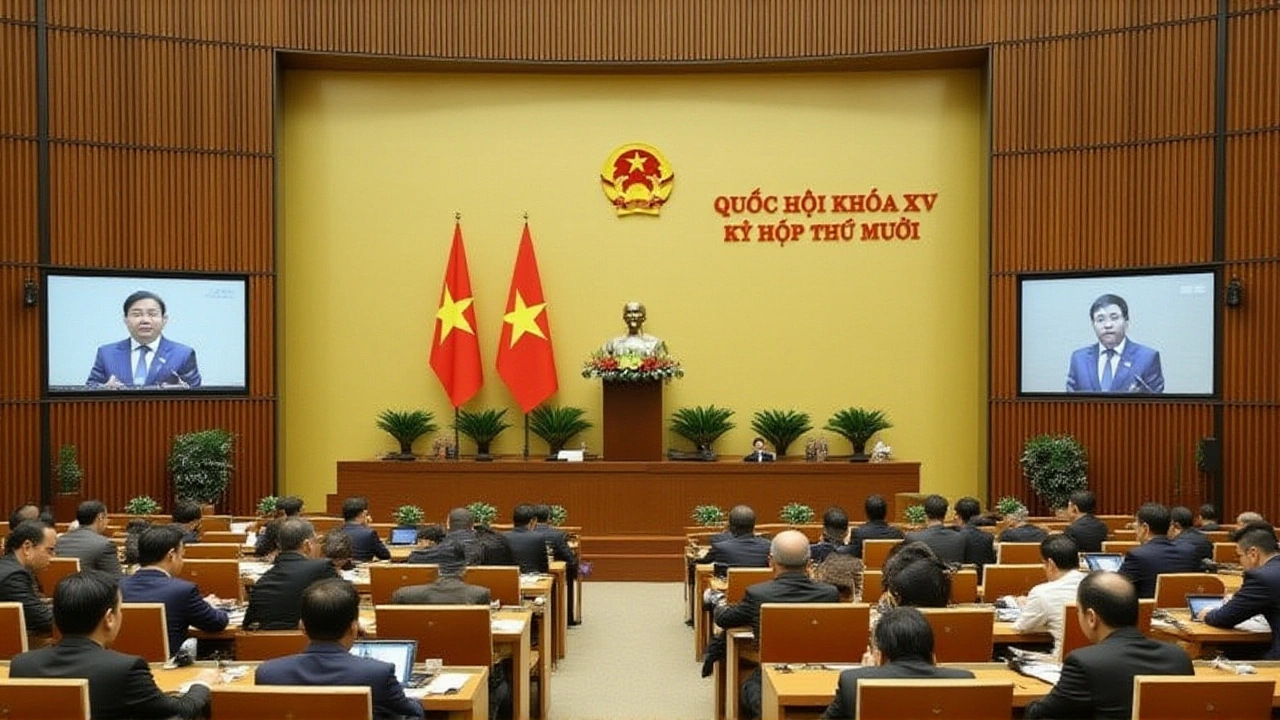
Namibia launched its Universal Health Coverage plan in Windhoek on October 13, 2025, aiming for full coverage by 2030, backed by Project 2025 to train 450 specialists and a N$16.1 billion investment to fix infrastructure and workforce gaps.
Read more© 2026. All rights reserved.