
When you think of Namibia, a stable democracy in Southern Africa known for its vast deserts, rich mineral resources, and quiet diplomatic presence. Also known as the land of the Namib Desert, it’s a country that often flies under the radar—but its decisions ripple across the region. Namibia isn’t just about sweeping dunes and desert wildlife. It’s a nation with a growing economy built on diamond mining, one of its top exports and a key driver of government revenue, and a government that’s carefully balancing foreign investment with local empowerment. Its capital, Windhoek, a modern African city with colonial architecture and a vibrant startup scene, is where policy changes are made that affect everything from land reform to energy transitions.
Namibia’s relationship with its neighbors matters. It doesn’t always make headlines like Nigeria or South Africa, but its stance on regional security, trade deals, and border disputes shapes Southern Africa’s stability. When South Africa faces power cuts, Namibia sometimes steps in as an electricity supplier. When Angola or Botswana face droughts, Namibia’s water-sharing agreements become critical. Even its quiet diplomacy in the UN and African Union gives it outsized influence. And while global media focuses on big players, Namibia’s moves on land redistribution, renewable energy targets, and anti-corruption efforts are quietly changing how African nations approach governance.
You’ll find stories here that connect Namibia to the bigger picture: how its mining sector reacts to global commodity swings, how its youth are pushing for digital innovation, and how its political leaders handle pressure from both local communities and international investors. Whether it’s a new mining law, a border tension with Angola, or a surprise trade deal with China, these aren’t isolated events—they’re part of a larger shift in how Southern Africa is redefining its future. Below, you’ll see how Namibia shows up in global headlines, from corporate restructuring to regional sports and policy moves that don’t always make the front page but matter just as much.
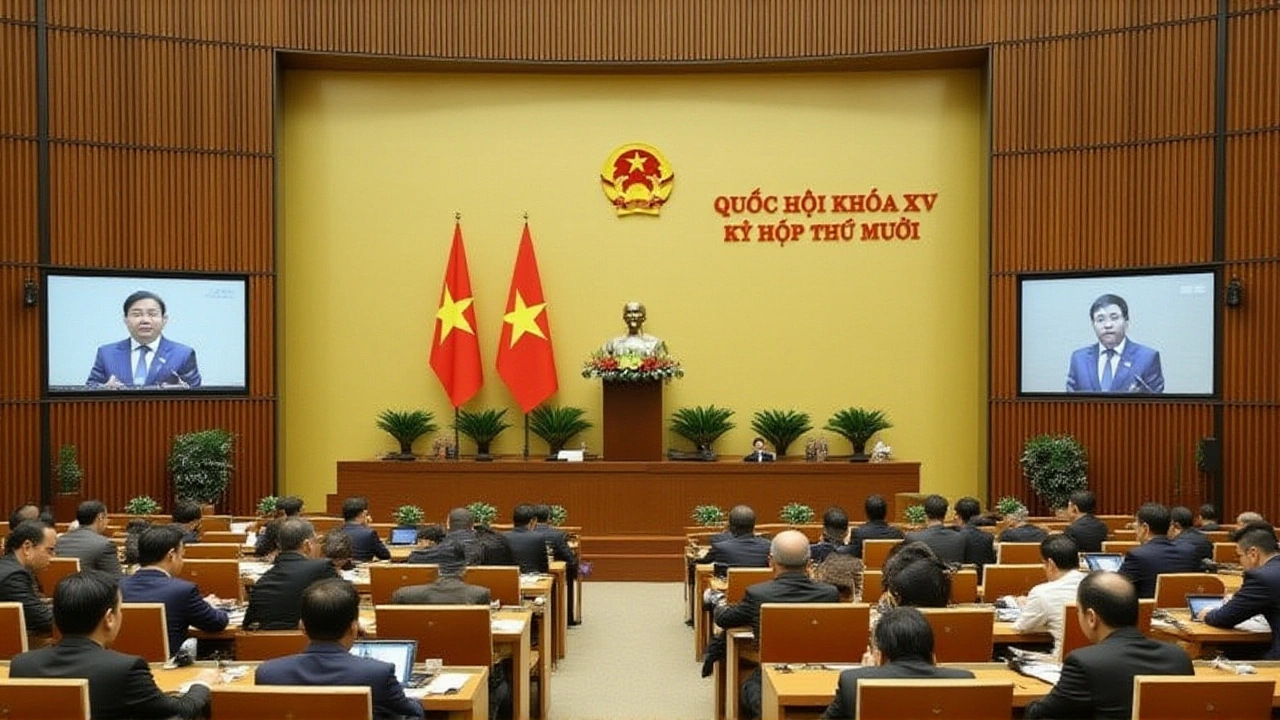
Namibia launched its Universal Health Coverage plan in Windhoek on October 13, 2025, aiming for full coverage by 2030, backed by Project 2025 to train 450 specialists and a N$16.1 billion investment to fix infrastructure and workforce gaps.
Read more© 2026. All rights reserved.