
When you walk into a public clinic in Johannesburg or a rural health post in Limpopo and find no nurse on duty, you’re not seeing a glitch—you’re seeing the healthcare workforce shortage, a systemic gap between the number of medical professionals needed and those actually working in South Africa’s public health system. Also known as medical staffing crisis, it’s not just about empty beds—it’s about people dying because help didn’t arrive in time.
This isn’t a new problem, but it’s getting worse. Every year, hundreds of nurses, frontline caregivers who manage everything from childbirth to chronic disease in under-resourced clinics leave for better pay overseas. The UK, Australia, and even Saudi Arabia are actively recruiting them. At the same time, South African medical schools can’t graduate enough doctors, trained professionals who are essential for diagnosing complex cases and leading hospital teams to replace them. The result? One doctor for every 3,500 people in some areas, compared to the WHO’s recommended 1:600. And it’s not just numbers—it’s burnout. Nurses work 12-hour shifts with no breaks. Doctors take on double shifts just to keep clinics open. When you combine low pay, dangerous conditions, and little support, it’s no wonder people quit.
The ripple effects are everywhere. Maternity wards close because no one’s left to deliver babies. HIV clinics run out of medication because the pharmacist has moved to a private hospital. Ambulances wait hours because there’s no one to staff them. Even when patients get to the hospital, they’re often seen by interns who’ve just graduated and have no mentor. This isn’t about politics—it’s about survival. People in townships, rural villages, and informal settlements are paying the price with their lives.
Below, you’ll find real stories and reports that show how this crisis is playing out across the country—from nurses walking off the job in Cape Town to clinics in KwaZulu-Natal running on candlelight because the power’s out and no one’s there to fix it. These aren’t abstract statistics. They’re people. And they need help now.
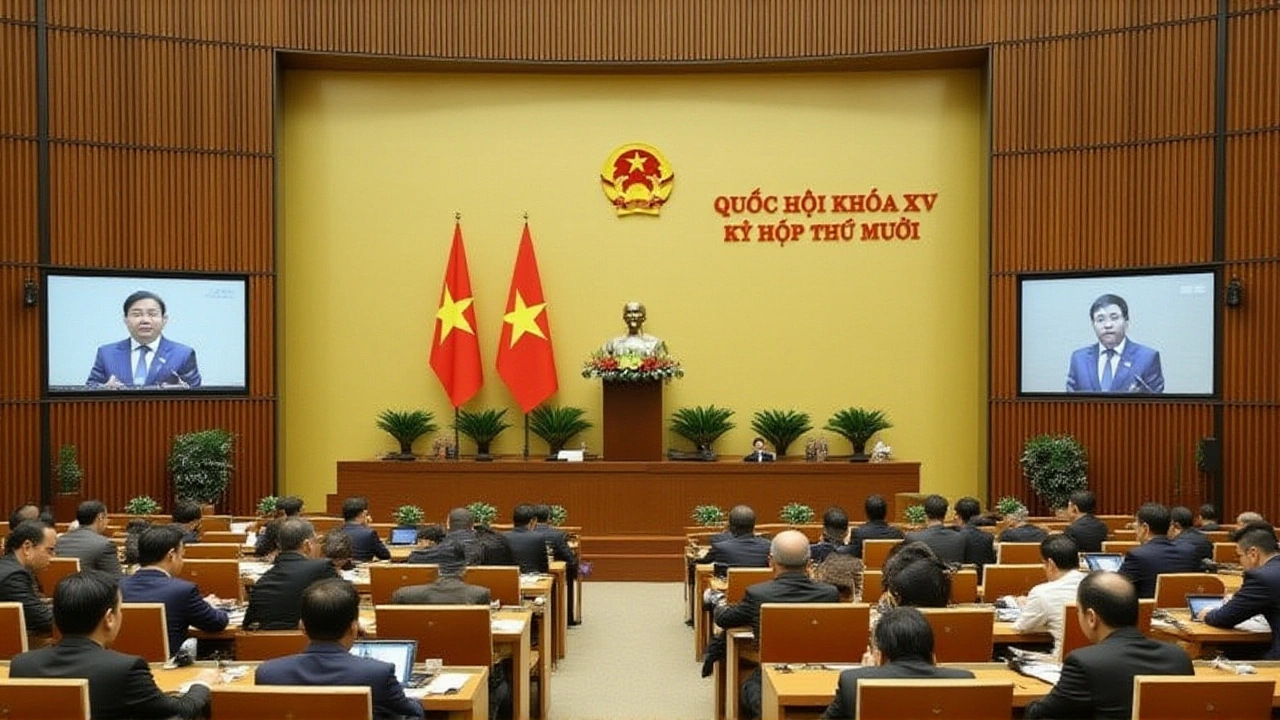
Namibia launched its Universal Health Coverage plan in Windhoek on October 13, 2025, aiming for full coverage by 2030, backed by Project 2025 to train 450 specialists and a N$16.1 billion investment to fix infrastructure and workforce gaps.
Read more© 2026. All rights reserved.