
Senegal Stripped of AFCON Title as CAF Awards Morocco Default Win
 Mar, 26 2026
Senegal lost the Africa Cup of Nations title it thought it had won. On March 17, 2026, two months after lifting the trophy in Rabat, the Confederation of African Football Appeal Board declared Senegal forfeited their championship by walking off the pitch during the final. Morocco now officially holds the 2025 AFCON crown, awarded a 3–0 default victory.
The scene was electric that January night in Rabat—Rabat, capital city lights blazing over the stadium. Senegal's players celebrated what looked like glory before everything unraveled in stoppage time. Now the trophy sits somewhere secure in Dakar, while the legal battle rages on.
The Walkoff That Changed Everything
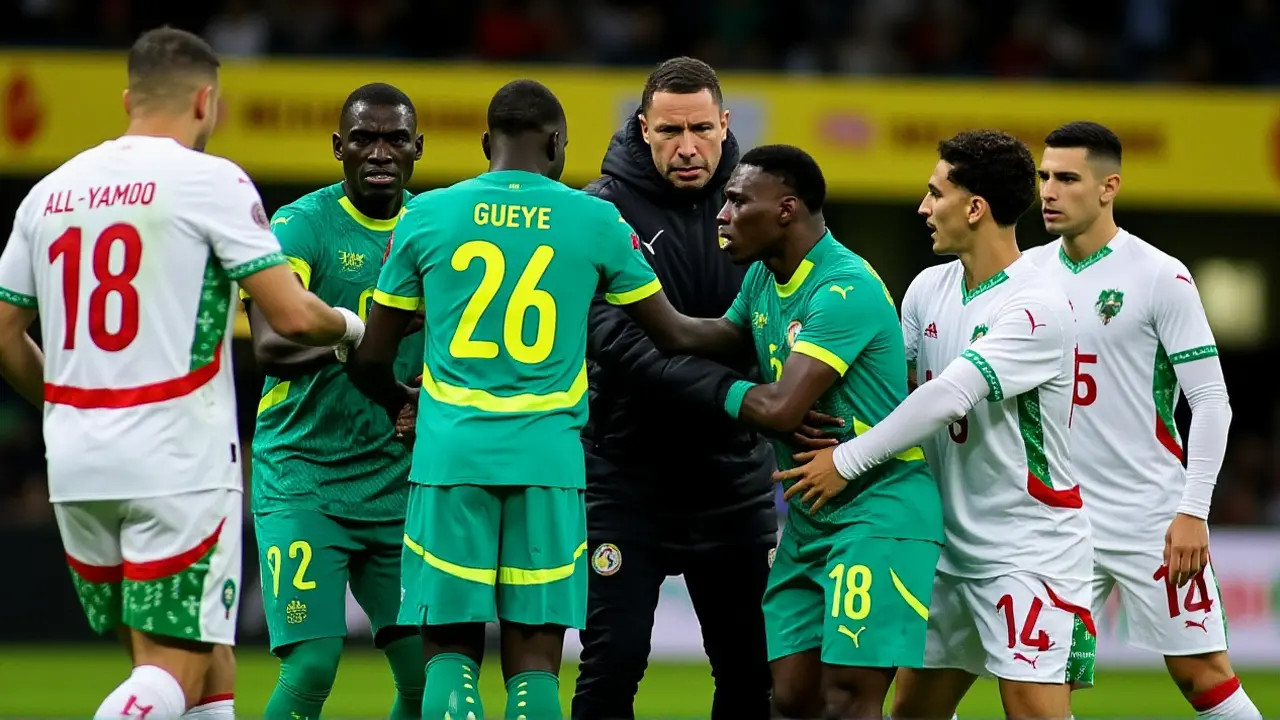
Here's the thing about that final moment. A penalty kick was awarded to Morocco after VAR reviewed an incident involving Brahim Díaz, forward for Morocco. The Senegalese bench erupted. Pape Thiaw, Head Coach of Senegal, ordered his squad to leave the field entirely.
They walked away. Fifteen minutes stretched past—long enough for fans to surge toward the barrier, desperate to storm onto the pitch. Play couldn't continue. When they finally resumed, Díaz attempted his penalty, executing a slow-chip Panenka attempt that goalkeeper Édouard Mendy, goalkeeper saved. Extra time followed, Senegal scored once, finished 1–0. But the walkoff would haunt them.
The initial disciplinary hearing imposed fines exceeding $1 million (£750,000). Both teams faced suspensions. Yet somehow, nobody questioned the actual match result—until the appeal board moved.
Cite Articles 82 and 84
The CAF Appeal Board dug into the rulebook. They found Senegal violated Articles 82 and 84 of the TotalEnergies CAF Africa Cup of Nations regulations. Article 84 states explicitly that abandoning a match results in forfeiture recorded as 3–0. It's straightforward language, brutally applied.
Senegalese Football Federation, FSF secretary general Abdoulaye Seydou Sow called this "a travesty that rests on no legal basis." He spoke publicly on Radiodiffusion Télévision Sénégalaise, telling supporters they wouldn't back down. "The law is on our side," he insisted. The government echoed him with equal fire.
Marie Rose Kadi Fatu Feay, speaking for the Senegalese state, accused CAF of undermining sporting merit. The country has demanded an international investigation into suspected corruption. Oddly enough, the physical trophy remains nowhere near CAF's control—it's been moved to a secure location with Thiaw reportedly involved in its transfer.
Morocco Celebrates, Senegal Fights On
In Morocco, celebrations are more restrained but official. The Royal Moroccan Football Federation, FRMF submitted the appeal that triggered this cascade. Their case? Simple—the walkoff voided competitive integrity. Whether that's fair or procedural justice depends who you ask.
Sow called the ruling "a disgrace for Africa" and said it discredits the sport. The FSF has filed proceedings with the Court of Arbitration for Sport in Lausanne. Expect roughly one year for a verdict. In the meantime, both nations prepare for fallout—media scrutiny, FIFA involvement, potentially even sponsors pulling back.
Fans online are already dividing into camps. One side says sportsmanship matters more than technicality. The other argues rules exist to be enforced, regardless of how frustrating they seem. Turns out, nobody wins cleanly when governance gets this tangled.

What Happens Next?
Several scenarios play out from here. If CAS overturns CAF's decision, Senegal regains the title and Morocco must return any associated prizes. More likely? A prolonged standoff that could see both federations suspended pending resolution. We've seen precedents—recall Egypt versus Algeria incidents years ago where similar walkoffs sparked months-long disputes.
The financial implications run deeper. Prize money from TotalEnergies sponsorship, broadcast revenues, national federation funding—all contingent on confirmed champions. Neither side wants to wait twelve months uncertain, but neither accepts losing. This is less about football now and more about sovereignty.
African football faces reputational damage either way. International broadcasters watching, commercial partners nervous, younger generations questioning if continental competitions still mean something special. The stakes feel higher than just one trophy.
Frequently Asked Questions
Why was Senegal stripped of the title?
Senegal's team left the pitch during the final match for fifteen minutes in protest of a VAR penalty decision against them. CAF determined this violated tournament regulations requiring teams to complete matches. By vacating the field, they were ruled to have forfeited the game automatically under Articles 82 and 84 of AFCON competition rules.
What did the CAF Disciplinary Board decide first?
The initial CAF Disciplinary Board heard the case approximately two weeks after the match, fining both federations over $1 million total and handing temporary bans to players and officials. However, they kept the original 1–0 result intact until the FRMF appealed specifically requesting forfeiture penalties.
When will the CAS appeal conclude?
Based on previous CAS cases involving national federation disputes, expect approximately twelve months for final judgment. The process begins with written submissions, then oral hearings if requested by both parties. Historical precedents range from six to eighteen months depending on complexity.
Who currently holds the physical trophy?
Senegal maintains possession of the 2025 AFCON trophy at a secure undisclosed location within the country. Reports indicate head coach Pape Thiaw helped coordinate its safe storage. Despite CAF declaring Morocco champions, the Senegalese government has refused to surrender the cup pending CAS outcome.
Could this affect future African tournaments?
Possibly. This precedent strengthens CAF's hand regarding pitch abandonment violations. Future federations might face stricter enforcement. However, sponsorships and television rights remain vulnerable—some international partners may reconsider investments pending clarification of continental dispute-resolution mechanisms.
James Otundo
March 27, 2026 AT 03:02You folks seem to be completely missing the broader geopolitical implication here. This isn't just about football; it is about the sovereignty of nations and how international bodies exert control over us. The CAF board acting unilaterally sets a dangerous precedent for future conflicts. We are witnessing a power play rather than a sporting resolution.
Bryan Kam
March 27, 2026 AT 12:24Surprise surprise rules actually matter sometimes.
Christine Dick
March 29, 2026 AT 04:24It is deeply troubling that emotional responses override established protocol. We cannot allow passion to dismantle the integrity of our continental games. This behavior sets a terrible example for the youth. Disciplinary action must remain firm and consistent.
Andrea Hierman
March 29, 2026 AT 20:19One might suggest that diplomacy is preferable to litigation in such delicate matters. It appears we are trading trophies for legal fees instead of resolving this through dialogue. Perhaps we are prioritizing vengeance over the sport itself.
ryan pereyra
March 31, 2026 AT 13:41The invocation of Article 84 regarding match abandonment is technically flawless but emotionally devastating. VAR protocols were triggered correctly and the subsequent bench reaction escalated the situation immediately. The appeal board utilized the regulatory framework precisely as written. This creates a binding precedent for future tournament governance structures.
Boobalan Govindaraj
April 2, 2026 AT 09:57look its fine we move forward everyone needs support and we must remember sportsmanship is more important than winning the cup honestly
Danny Johnson
April 2, 2026 AT 22:36Tough situation for both sides hope things cool down soon. It is heartbreaking when fans get involved like that. We should focus on healing the community instead of fighting.
Jane Roams Free
April 3, 2026 AT 20:43The history of AFCON disputes dates back decades and involves similar controversies. Walkoffs have happened before but rarely with this level of consequence. The trophy location remains a sticking point for now. Both federations have valid grievances regarding process. History shows appeals take a long time to settle.
Anthony Watkins
April 5, 2026 AT 10:27Senegal failed themselves completely :cry: Morocco deserved it all along! :flag: Rules are rules dont cry about it now. Weak excuses from the coach :rage:
Cheri Gray
April 5, 2026 AT 18:10so sad about the trofy they shoudnt have lef the pitch but im sure its ok. i hope the team gets better soon and learns from this mess.
Kumar Deepak
April 7, 2026 AT 17:12Guess we learned rules apply unless you think your feelings are laws. Sportsmanship is great but walking off the field ends that argument fast. It feels like a waste of talent for both squads.
mohit saxena
April 9, 2026 AT 13:16CAS processes usually involve written submissions first followed by hearings. You can expect the paperwork to pile up quickly in Lausanne. Precedent suggests a year timeline for resolution.
Divyanshu Kumar
April 10, 2026 AT 08:18The juridical implications are severaely impactful to the region. Governance standards must be uphold despite national sentiments interfering with outcomes.
Sandeep YADUVANSHI
April 11, 2026 AT 15:33Honestly the governance structure here is absolute garbage. How can a body claim authority when they enforce rules inconsistently. The entire setup stinks of corruption.
Vikram S
April 12, 2026 AT 06:52Rules MUST be enforced. NO exceptions allowed. THIS IS CRITICAL for the future of African football. Period.
UMESH joshi
April 13, 2026 AT 12:45Perhaps the true victory lies in how we handle defeat with grace and dignity. The spirit of competition often gets lost in these administrative battles. We must consider what legacy we leave behind.
Yogananda C G
April 14, 2026 AT 01:01Let us all remain hopeful that a fair decision comes from the court eventually. It is important to trust the process even when it is slow. Positive energy helps everyone cope during uncertain times like this. We should support the athletes who work hard regardless of titles. Looking forward to a peaceful resolution for both countries involved.
pradeep raj
April 14, 2026 AT 04:16The psychological toll on national teams facing disciplinary sanctions is immense and often overlooked. Players dedicate their lives to representing the flag and this outcome damages morale significantly. The pressure from the media exacerbates the stress on coaching staff dealing with the fallout. Financial losses from sponsorship deals could cripple local academies for years ahead. We must understand that institutional stability relies on respecting arbitration decisions promptly. Long standing precedents show that ignoring rulings leads to isolation from global governing bodies. The fan base reacts unpredictably when championships are rescinded from under them. Trust in the federation erodes rapidly when leadership fails to manage crisis effectively. Legal costs will drain resources meant for grassroots development programs in the region. Public perception shifts negatively toward organizations perceived as lacking transparency. Media narratives shape the memory of the event more than the actual match play did. Recovery of reputation takes much longer than winning the next tournament does. Stakeholder engagement becomes difficult when parties refuse to accept the verdict. Communication strategies fail to mitigate the damage once hostility is publicly established. Governance reform discussions will inevitably resurface in upcoming annual meetings. Ultimately the sport suffers when procedural integrity is compromised for political gain.
Ganesh Dhenu
April 15, 2026 AT 07:03Outcome noted. Proceeding with caution.