
Man Utd's 13 World Cup Stars: Shirt Numbers Revealed
 Jun, 21 2026
It’s the kind of detail that only true football nerds care about until it becomes a talking point. Manchester United has officially confirmed that 13 of its players are set to represent their respective nations at the upcoming FIFA World Cup finalsUnited States, Canada, and Mexico. But here’s the twist: the club has released the specific shirt numbers these stars will wear on the international stage, and some choices are surprising.
The allocations were announced ahead of the tournament, giving fans a glimpse into how national teams view their Manchester United imports. It’s not just about who is playing; it’s about where they fit in the hierarchy of their country’s squad. For a club with such a global footprint, seeing so many players donning different colors—and different numbers—highlights the unique pressure and prestige of the World Cup.
The Confirmed Numbers for 2026
According to posts from the official Manchester United website and corroborated by social media accounts like GBUnitedx, the list of 13 representatives includes several high-profile names. The Instagram post titled "Manchester United player's shirt numbers at the 2026 World Cup" provided the first concrete details.
Here is what we know so far:
- Altay Bayındır: Assigned number 12 for Turkey.
- Amad Diallo: Wearing number 15 for Ghana.
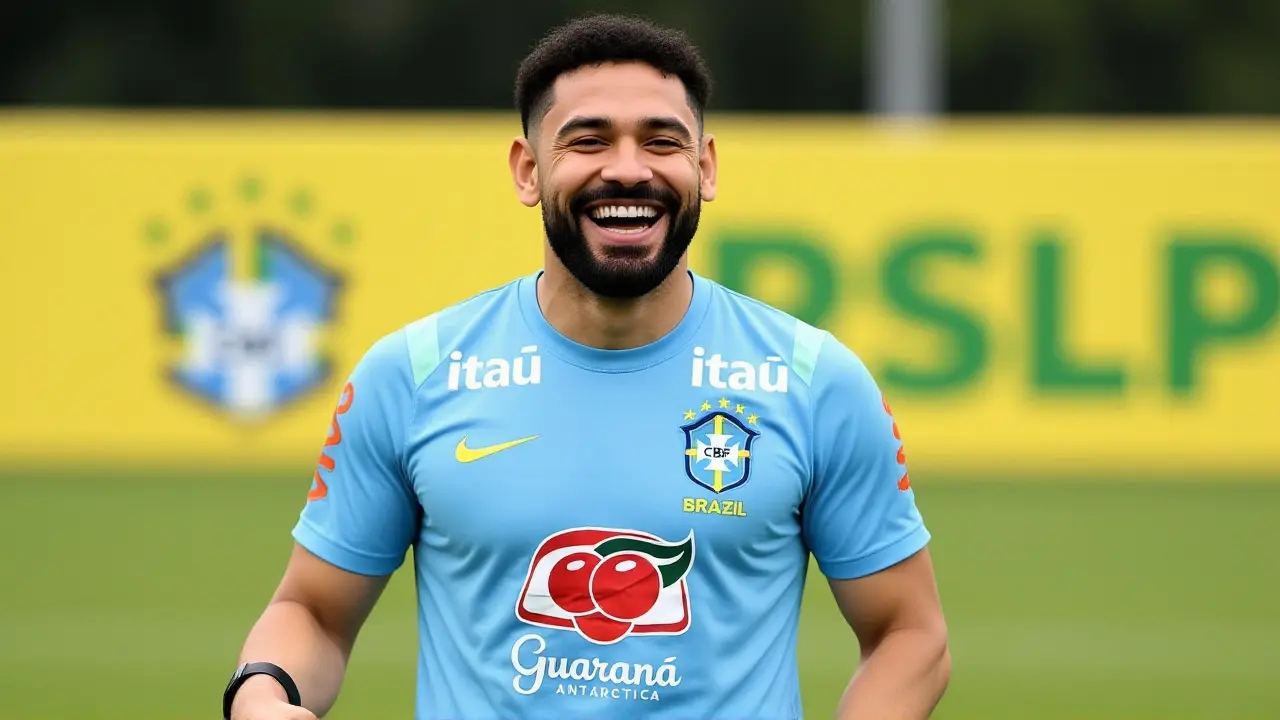
- Casemiro: Donning the iconic number 5 for Brazil.
- Matheus Cunha: Taking the striker’s number 9 for Brazil.
- Diogo Dalot: Also assigned number 5, but for Portugal.
Interestingly, Tyler Fletcher has been allocated the number 8 jersey, a choice that sparked some surprise among fans given his recent development path. While the full list of all 13 players isn't entirely detailed in every source, the presence of these key figures underscores the depth of talent leaving Old Trafford for the summer.
Club vs. Country: A Tale of Two Numbers
One of the most fascinating aspects of this announcement is the disconnect between club and country numbers. In the Premier League, shirt numbers often reflect status or tenure. At Manchester United, Bruno Fernandes wears the number 8, while Mason Mount sports the coveted number 7.
But switch to the international stage, and the dynamics change completely. Take Matheus Cunha. At United, he wears number 10, a badge of leadership and creativity. Yet for Brazil at the 2026 World Cup, he’s taking the number 9. This signals a clear tactical shift: he’s being viewed primarily as a goal-scoring forward rather than a playmaker. Similarly, Altay Bayındır is the undisputed number 1 goalkeeper at Manchester United, but he’ll be wearing number 12 for Turkey, likely due to seniority within the national team setup.
This duality is common in modern football. Players adapt to different roles depending on the team around them. For Casemiro, wearing number 5 for Brazil is a nod to his defensive solidity, mirroring his role as a shield in midfield. It’s a subtle but significant indicator of how coaches perceive their assets.
Historical Context: How Numbers Have Shifted
If you’re an old-school fan, you might remember previous World Cups where Manchester United players held different jerseys. A look back at earlier tournaments shows a stark contrast. In past iterations, Jesse Lingard wore number 16, while Raphaël Varane took number 20. Even Diogo Dalot, who now wears number 5 for Portugal, previously had number 21 in earlier squad lists.
These shifts aren’t random. They reflect changes in form, coaching preferences, and the evolving nature of the squads. For instance, Amad Diallo moving from number 17 in previous contexts to number 15 suggests he’s cementing his place as a regular starter rather than a fringe option. It’s a small detail, but in the world of football analytics, every number tells a story about expectation.
What This Means for the Tournament
The allocation of these numbers comes just before the intense scrutiny of the World Cup. With 13 players involved, Manchester United faces the usual dilemma: balancing rest and recovery with the desire to see their stars shine on the biggest stage. The club’s total market value for the 2025–26 squad sits at €854.15m, according to Transfermarkt, meaning a significant portion of that value will be on display internationally.
For fans, this period is always a mix of pride and anxiety. Seeing your club’s captain or star striker dominate against other Premier League rivals is thrilling, but injuries loom large. The physical toll of the World Cup is well-documented, and managers at Old Trafford will be watching closely to ensure their key assets return refreshed for the domestic season.
Frequently Asked Questions
How many Manchester United players are going to the 2026 World Cup?
A total of 13 Manchester United players have been selected as representatives for the FIFA World Cup finals. These players span various positions and national teams, highlighting the club's global recruitment strategy.
Why does Matheus Cunha wear number 9 for Brazil but 10 for Man Utd?
Shirt numbers reflect tactical roles. At Manchester United, Cunha wears number 10, suggesting a creative playmaking role. For Brazil, he wears number 9, indicating he is expected to operate primarily as a central striker focused on goal-scoring.
Who else from Manchester United is playing in the World Cup?
Confirmed players include Altay Bayındır (Turkey), Amad Diallo (Ghana), Casemiro (Brazil), Diogo Dalot (Portugal), Tyler Fletcher (England), and Bruno Fernandes (Portugal). Other squad members may include Kobbie Mainoo and Mason Mount, depending on final national team selections.
When will the 2026 World Cup take place?
The 2026 FIFA World Cup is scheduled to begin in June 2026. It will be hosted jointly by the United States, Canada, and Mexico, marking the first time three countries have co-hosted the tournament.
Does Diogo Dalot wear the same number for Portugal and Man Utd?
No. Diogo Dalot wears number 5 for Portugal at the 2026 World Cup. His club number at Manchester United varies by season and squad registration, but historically he has worn numbers like 20 or 3 in domestic competitions.